100 Civics Questions and Answers for the 2008 Citizenship Test
The complete official list for the 2008 civics test, still used for applications filed before October 20, 2025, grouped by topic.
On this page
The 100 civics questions are the official study list for the 2008 version of the U.S. naturalization civics test. If USCIS received your Form N-400 before October 20, 2025, the officer at your interview will ask you up to 10 of these 100 civics questions, and you need 6 correct answers to pass. This is true even if your interview happens in 2026.
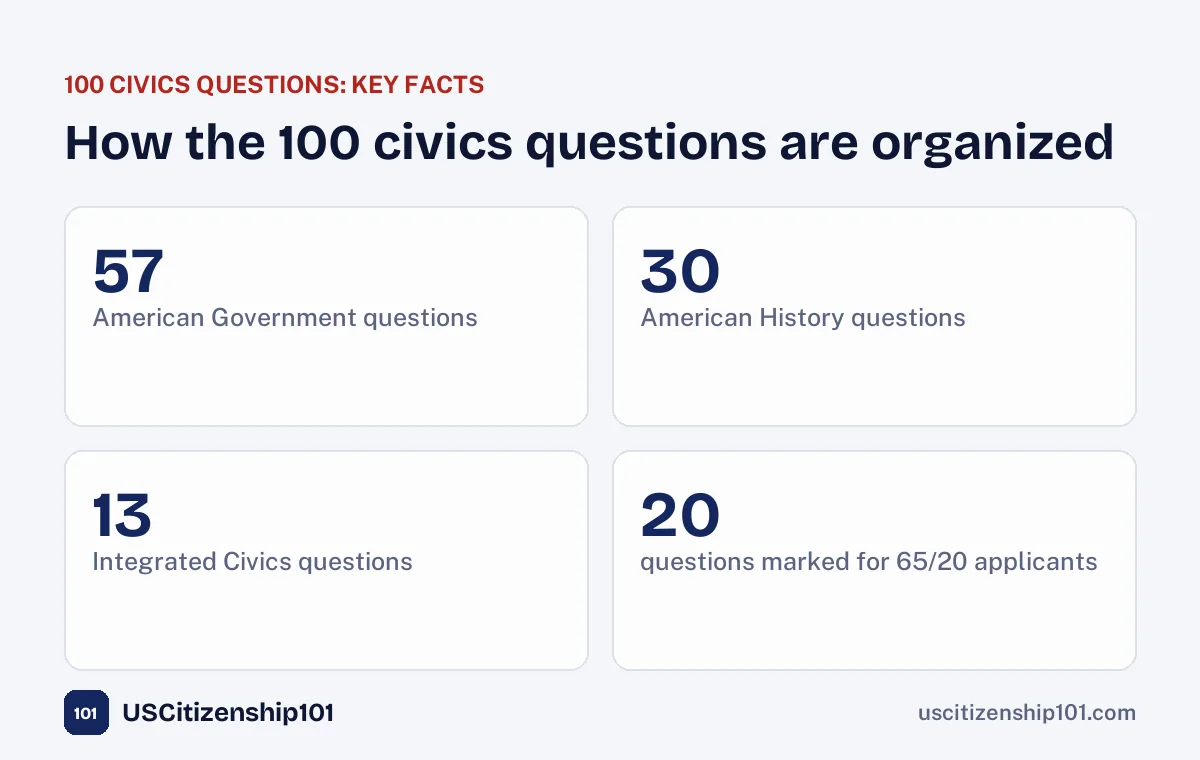
This page lists all 100 civics questions with their accepted answers, grouped by topic and numbered exactly like the official USCIS list. Questions marked (65/20) are the 20 questions for applicants who are 65 or older with 20 years as a permanent resident. Below the list you will find memory tips and a simple study plan.
Key points about the 100 civics questions
- The 100 civics questions apply to N-400 applications received before October 20, 2025.
- The officer asks up to 10 and you need 6 correct. The test stops at 6 right or 5 wrong.
- The test is oral: the officer asks, and you answer out loud.
- If you filed on or after October 20, 2025, study the 128 civics questions instead.
- Applicants 65+ with 20 years of residence study only the 20 marked questions.
Are the 100 civics questions still used?
Yes. USCIS introduced a new 128-question test for applications received on or after October 20, 2025, but everyone who filed before that date keeps the 2008 test. Because many applications take months to process, the 100 civics questions are still being asked at interviews in 2026. Your test version is decided by the received date on your N-400 receipt notice, not by your interview date.
If you need a retest, you also stay with the same version. So if you took the 2008 test and need a second attempt, you will again be asked from the 100 civics questions.
How to use this list of 100 civics questions
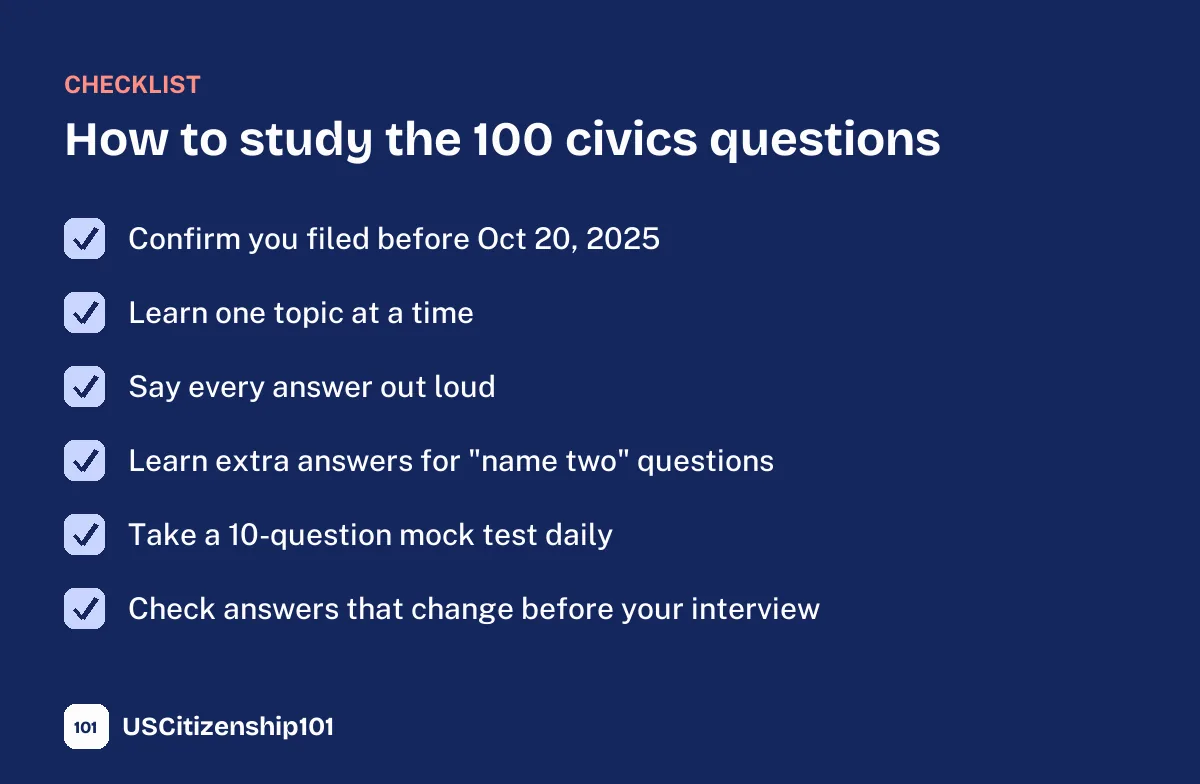
Study one section at a time instead of reading the whole list every day. For questions that ask you to “name one,” one answer is enough. For “name two” or “name three,” learn at least one extra answer in case you forget one. You can practice all 100 civics questions interactively with our free 2008 practice test, which asks 10 random questions and stops at 6 right or 5 wrong, like the real officer.
The complete list of 100 civics questions and answers
Answers come from the official USCIS list. Where a question has more than two accepted answers, we show two and note that others are accepted. The official PDF of the 100 civics questions lists every accepted answer.
100 civics questions: American Government, Principles of American Democracy
- What is the supreme law of the land? the Constitution
- What does the Constitution do? sets up the government; defines the government; and other answers
- The idea of self-government is in the first three words of the Constitution. What are these words? We the People
- What is an amendment? a change (to the Constitution); an addition (to the Constitution)
- What do we call the first ten amendments to the Constitution? the Bill of Rights
- What is one right or freedom from the First Amendment? (65/20) speech; religion; and other answers
- How many amendments does the Constitution have? twenty-seven (27) -2-
- What did the Declaration of Independence do? announced our independence (from Great Britain); declared our independence (from Great Britain); and other answers
- What are two rights in the Declaration of Independence? life; liberty; and other answers
- What is freedom of religion? You can practice any religion, or not practice a religion.
- What is the economic system in the United States? (65/20) capitalist economy; market economy
- What is the “rule of law”? Everyone must follow the law.; Leaders must obey the law.; and other answers
100 civics questions: American Government, System of Government
- Name one branch or part of the government. (65/20) Congress; legislative; and other answers
- What stops one branch of government from becoming too powerful? checks and balances; separation of powers
- Who is in charge of the executive branch? the President
- Who makes federal laws? Congress; Senate and House (of Representatives); and other answers
- What are the two parts of the U.S. Congress? (65/20) the Senate and House (of Representatives)
- How many U.S. Senators are there? one hundred (100) -3-
- We elect a U.S. Senator for how many years? six (6)
- Who is one of your state’s U.S. Senators now? (65/20) Answers will vary. [District of Columbia residents and residents of U.S. territories should answer that D.C. (or the territory where the applicant lives) has no U.S. Senators.]
- The House of Representatives has how many voting members? four hundred thirty-five (435)
- We elect a U.S. Representative for how many years? two (2)
- Name your U.S. Representative. Answers will vary. [Residents of territories with nonvoting Delegates or Resident Commissioners may provide the name of that Delegate or Commissioner. Also acceptable is any statement that the territory has no (voting) Representatives in Congress.]
- Who does a U.S. Senator represent? all people of the state
- Why do some states have more Representatives than other states? (because of) the state’s population; (because) they have more people; and other answers
- We elect a President for how many years? four (4)
- In what month do we vote for President? (65/20) November
- What is the name of the President of the United States now? (65/20) Donald J. Trump (check uscis.gov/citizenship/testupdates before your interview)
- What is the name of the Vice President of the United States now? JD Vance (check uscis.gov/citizenship/testupdates before your interview)
- If the President can no longer serve, who becomes President? the Vice President
- If both the President and the Vice President can no longer serve, who becomes President? the Speaker of the House
- Who is the Commander in Chief of the military? the President
- Who signs bills to become laws? the President
- Who vetoes bills? the President
- What does the President’s Cabinet do? advises the President -4-
- What are two Cabinet-level positions? Secretary of Agriculture; Secretary of Commerce; and other answers
- What does the judicial branch do? reviews laws; explains laws; and other answers
- What is the highest court in the United States? the Supreme Court
- How many justices are on the Supreme Court? Nine (9) (check uscis.gov/citizenship/testupdates before your interview)
- Who is the Chief Justice of the United States now? John G. Roberts, Jr. (check uscis.gov/citizenship/testupdates before your interview)
- Under our Constitution, some powers belong to the federal government. What is one power of the federal government? to print money; to declare war; and other answers
- Under our Constitution, some powers belong to the states. What is one power of the states? provide schooling and education; provide protection (police); and other answers
- Who is the Governor of your state now? Answers will vary. [District of Columbia residents should answer that D.C. does not have a Governor.]
- What is the capital of your state? (65/20) Answers will vary. [District of Columbia residents should answer that D.C. is not a state and does not have a capital. Residents of U.S. territories should name the capital of the territory.]
- What are the two major political parties in the United States? (65/20) Democratic and Republican
- What is the political party of the President now? Republican (check uscis.gov/citizenship/testupdates before your interview)
- What is the name of the Speaker of the House of Representatives now? Mike Johnson (check uscis.gov/citizenship/testupdates before your interview)
100 civics questions: American Government, Rights and Responsibilities
- There are four amendments to the Constitution about who can vote. Describe one of them. Citizens eighteen (18) and older (can vote).; You don’t have to pay (a poll tax) to vote.; and other answers
- What is one responsibility that is only for United States citizens? (65/20) serve on a jury; vote in a federal election
- Name one right only for United States citizens. vote in a federal election; run for federal office
- What are two rights of everyone living in the United States? freedom of expression; freedom of speech; and other answers
- What do we show loyalty to when we say the Pledge of Allegiance? the United States; the flag
- What is one promise you make when you become a United States citizen? give up loyalty to other countries; defend the Constitution and laws of the United States; and other answers
- How old do citizens have to be to vote for President? (65/20) eighteen (18) and older
- What are two ways that Americans can participate in their democracy? vote; join a political party; and other answers
- When is the last day you can send in federal income tax forms? (65/20) April 15
- When must all men register for the Selective Service? at age eighteen (18); between eighteen (18) and twenty-six (26)
100 civics questions: American History, Colonial Period and Independence
- What is one reason colonists came to America? freedom; political liberty; and other answers
- Who lived in America before the Europeans arrived? American Indians; Native Americans
- What group of people was taken to America and sold as slaves? Africans; people from Africa
- Why did the colonists fight the British? because of high taxes (taxation without representation); because the British army stayed in their houses (boarding, quartering); and other answers
- Who wrote the Declaration of Independence? (Thomas) Jefferson
- When was the Declaration of Independence adopted? July 4, 1776
- There were 13 original states. Name three. New Hampshire; Massachusetts; and other answers
- What happened at the Constitutional Convention? The Constitution was written.; The Founding Fathers wrote the Constitution.
- When was the Constitution written? 1787
- The Federalist Papers supported the passage of the U.S. Constitution. Name one of the writers. (James) Madison; (Alexander) Hamilton; and other answers
- What is one thing Benjamin Franklin is famous for? U.S. diplomat; oldest member of the Constitutional Convention; and other answers
- Who is the “Father of Our Country”? (George) Washington
- Who was the first President? (65/20) (George) Washington -8-
100 civics questions: American History, 1800s
- What territory did the United States buy from France in 1803? the Louisiana Territory; Louisiana
- Name one war fought by the United States in the 1800s. War of 1812; Mexican-American War; and other answers
- Name the U.S. war between the North and the South. the Civil War; the War between the States
- Name one problem that led to the Civil War. slavery; economic reasons; and other answers
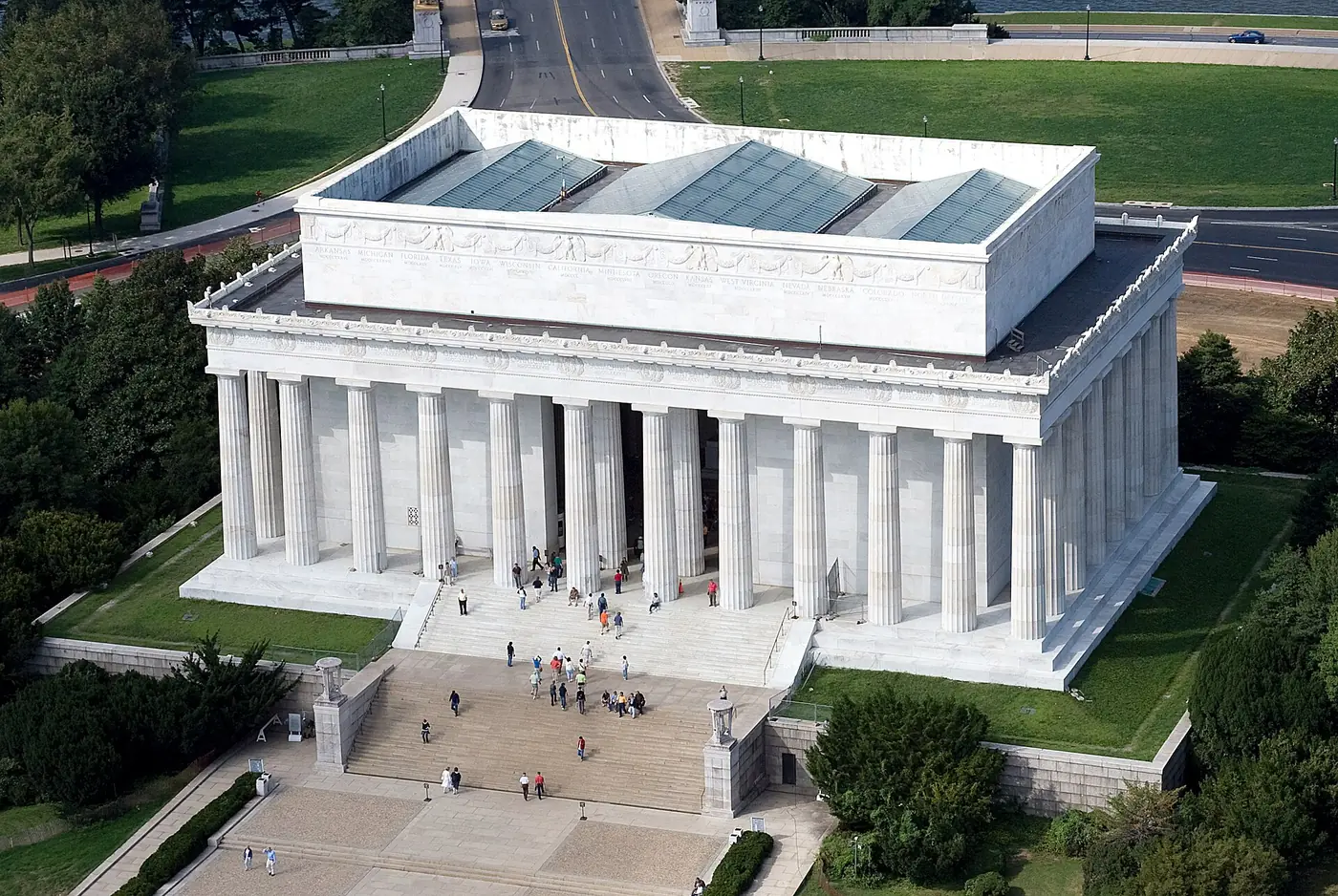
- What was one important thing that Abraham Lincoln did? (65/20) freed the slaves (Emancipation Proclamation); saved (or preserved) the Union; and other answers
- What did the Emancipation Proclamation do? freed the slaves; freed slaves in the Confederacy; and other answers
- What did Susan B. Anthony do? fought for women’s rights; fought for civil rights
100 civics questions: American History, Recent American History and Other Important Historical Information
- Name one war fought by the United States in the 1900s. (65/20) World War I; World War II; and other answers
- Who was President during World War I? (Woodrow) Wilson
- Who was President during the Great Depression and World War II? (Franklin) Roosevelt -9-
- Who did the United States fight in World War II? Japan, Germany, and Italy
- Before he was President, Eisenhower was a general. What war was he in? World War II
- During the Cold War, what was the main concern of the United States? Communism
- What movement tried to end racial discrimination? civil rights (movement)
- What did Martin Luther King, Jr. do? (65/20) fought for civil rights; worked for equality for all Americans
- What major event happened on September 11, 2001, in the United States? Terrorists attacked the United States.
- Name one American Indian tribe in the United States. [USCIS Officers will be supplied with a list of federally recognized American Indian tribes.] Cherokee; Navajo; and other answers
100 civics questions: Integrated Civics, Geography
- Name one of the two longest rivers in the United States. Missouri (River); Mississippi (River)
- What ocean is on the West Coast of the United States? Pacific (Ocean)
- What ocean is on the East Coast of the United States? Atlantic (Ocean)
- Name one U.S. territory. Puerto Rico; U.S. Virgin Islands; and other answers
- Name one state that borders Canada. Maine; New Hampshire; and other answers
- Name one state that borders Mexico. California; Arizona; and other answers
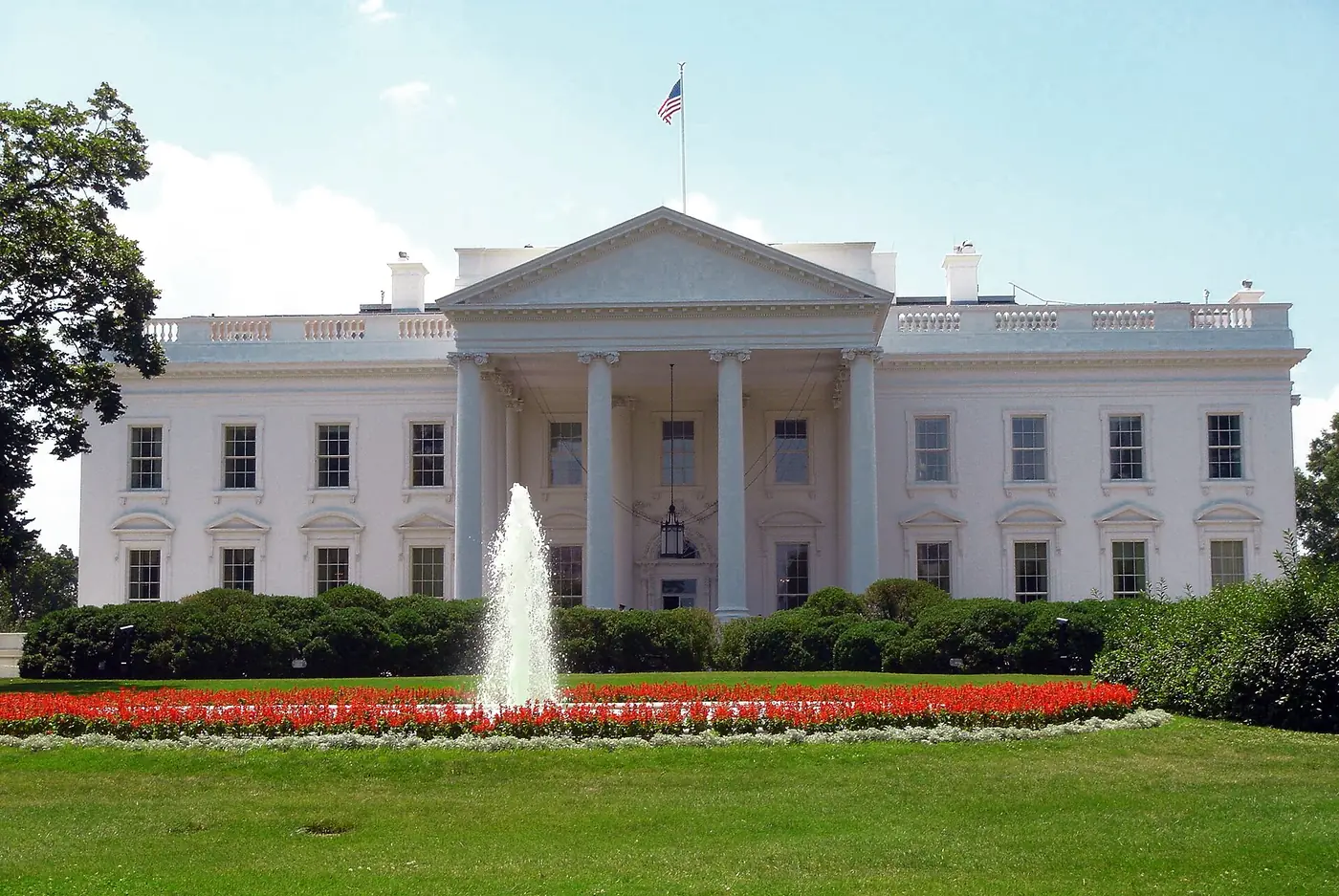
- What is the capital of the United States? (65/20) Washington, D.C.
- Where is the Statue of Liberty? (65/20) New York (Harbor); Liberty Island [Also acceptable are New Jersey, near New York City, and on the Hudson (River).] -11-
100 civics questions: Integrated Civics, Symbols
- Why does the flag have 13 stripes? because there were 13 original colonies; because the stripes represent the original colonies
- Why does the flag have 50 stars? (65/20) because there is one star for each state; because each star represents a state; and other answers
- What is the name of the national anthem? The Star-Spangled Banner
100 civics questions: Integrated Civics, Holidays
- When do we celebrate Independence Day? (65/20) July 4
- Name two national U.S. holidays. New Year’s Day; Martin Luther King, Jr. Day; and other answers
Memory tips for the 100 civics questions
American Government
This section makes up more than half of the 100 civics questions. Learn the three branches as three boxes: Congress makes laws, the President enforces them, and the courts explain them. Then add the numbers: 100 senators with six-year terms, 435 representatives with two-year terms, and a President elected for four years. Our guide to the three branches of government covers this in depth.
American History
Put the history part of the 100 civics questions on a timeline: colonists and the Revolution in the 1700s, the Constitution in 1787, the Civil War and Lincoln in the 1800s, then the world wars, the Great Depression, the civil rights movement, and September 11, 2001. Our American history questions guide tells the story in order.
Integrated Civics
Geography, symbols, and holidays are the easiest points among the 100 civics questions. Look at a map of the United States while you study the geography questions, and learn the holidays by month.
Answers that change
Several of the 100 civics questions depend on who is in office or where you live, including the President, Vice President, the President’s political party, the Speaker of the House, the Chief Justice, your senators, your representative, your governor, and your state capital. Our guide to civics test answers that change has current answers. Check uscis.gov/citizenship/testupdates the week of your interview.
A three-week plan for the 100 civics questions
- Week 1: American Government, questions 1 to 57, about eight new questions per day.
- Week 2: American History and Integrated Civics, questions 58 to 100.
- Week 3: One 10-question mock test every day, then review your mistakes.
After three weeks you will have practiced all 100 civics questions several times. For a longer, day-by-day version, see our civics test study plan.
Frequently asked questions
Do I need to memorize all 100 civics questions?
Yes, you should study all 100 civics questions unless you qualify for 65/20. The officer can pick any of them.
My interview is in 2026. Which list do I study?
It depends on when you filed. If USCIS received your N-400 before October 20, 2025, study the 100 civics questions. If it was received on or after that date, study the 128-question list.
Is there a printable version of the 100 civics questions?
Yes. Choose the 2008 version on our practice test page and use the print button, or print this page.
How many of the 100 civics questions do I need to get right?
Six out of up to ten asked. See how many questions are on the citizenship test for a full comparison of both versions.
Source: USCIS, 100 Civics Questions and Answers (2008 version), available at uscis.gov. Current officials checked September 2026.
Free tools
This article is for general education, not legal advice. Always confirm requirements at uscis.gov.