How to Study for the Citizenship Test: Methods That Actually Work
Ten proven, science-based study methods for the civics and English tests, plus free tools and a routine that fits a busy life.
On this page
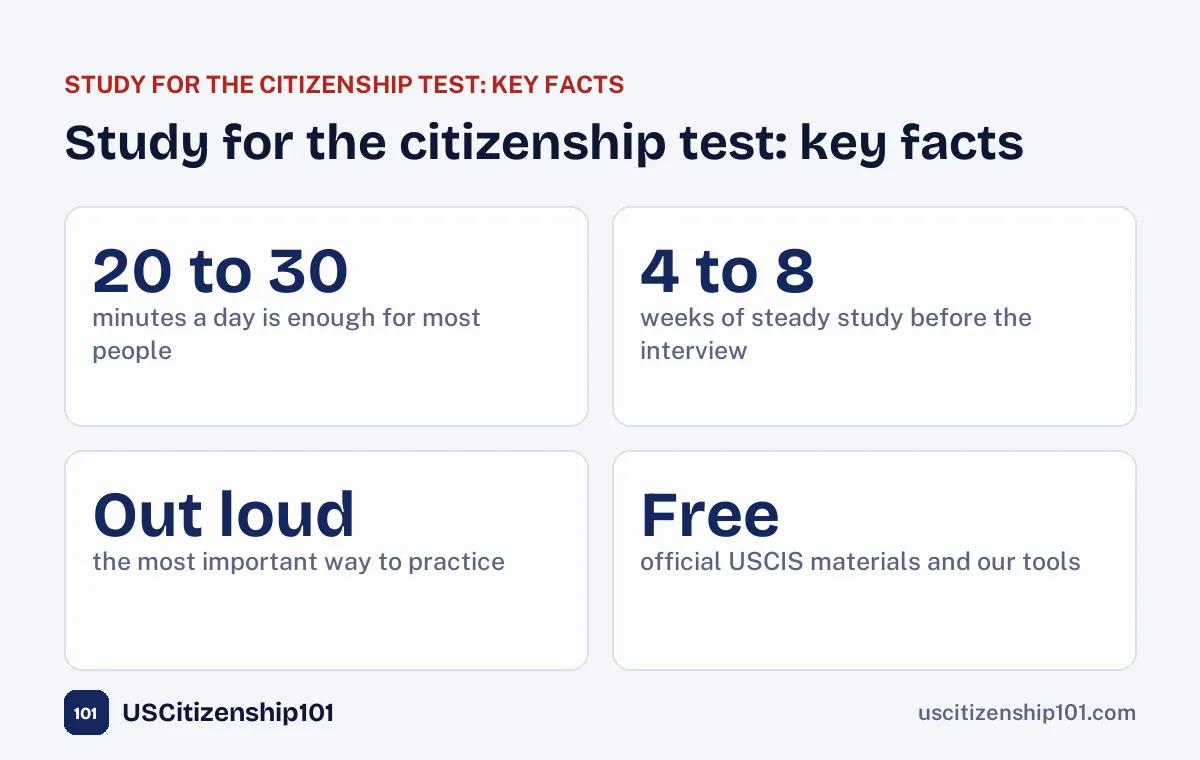
The best way to study for the citizenship test is not to read the questions over and over. It is to test yourself, space your practice over several weeks, and say your answers out loud, just as you will at the interview. These methods are backed by decades of research on how memory works, and they work for learners of any age or background.
This guide explains ten proven ways to study for the citizenship test, the free tools that help most, a daily routine you can follow, and how to adapt your plan if you are busy, older, or new to English.
Key points: how to study for the citizenship test
- Study for the citizenship test in short daily sessions of 20 to 30 minutes.
- Test yourself instead of rereading.
- Say answers out loud, because the test is oral.
- Use official questions for your test version.
- Finish with full mock tests in the last week.
First, know what you are studying
Before you study for the citizenship test, confirm your version. If USCIS received your N-400 on or after October 20, 2025, you study the 128 civics questions of the 2025 test. If earlier, you study the 100 civics questions of the 2008 test. You also need to prepare for the English test (reading, writing, and speaking) and for questions about your N-400. If you are 65 or older with 20 years as a resident, you only study 20 questions.
10 proven methods
1. Active recall: test yourself
Cover the answer and try to say it from memory. Recalling is much more powerful than rereading, because it strengthens the memory each time. Flashcards are a simple way to do this.
2. Spaced repetition: review over time
Review each question after one day, then three days, then a week. Spacing reviews out moves answers into long-term memory. Our practice test’s “review mistakes” mode helps you revisit the questions you find hardest.
3. Say it out loud
The civics test and the interview are spoken. When you study for the citizenship test aloud, you train your voice and build confidence, not just memory.
4. Group questions by topic
Study all questions about Congress together, then the President, then the courts, then history. Related facts support each other in memory.
5. Tell the story
History questions are easier as a story in order: the colonies, the Revolution, the Constitution, the Civil War, the world wars, civil rights. Our guide to American history questions tells it this way.
6. Use pictures and places
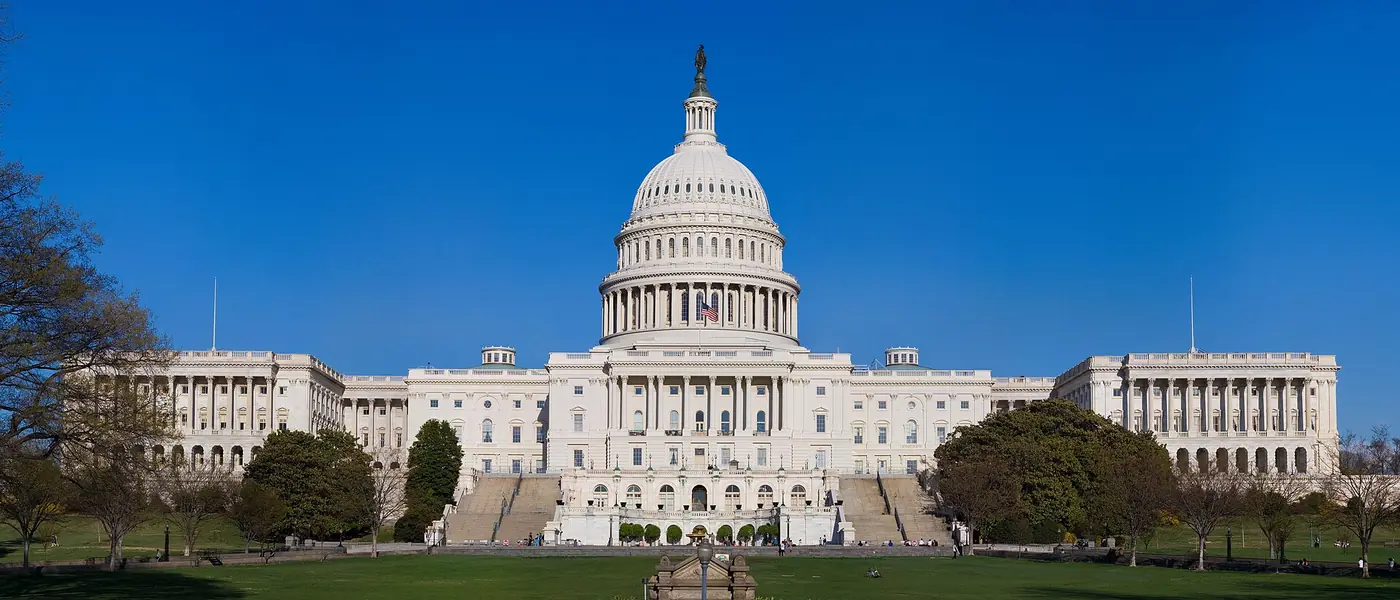
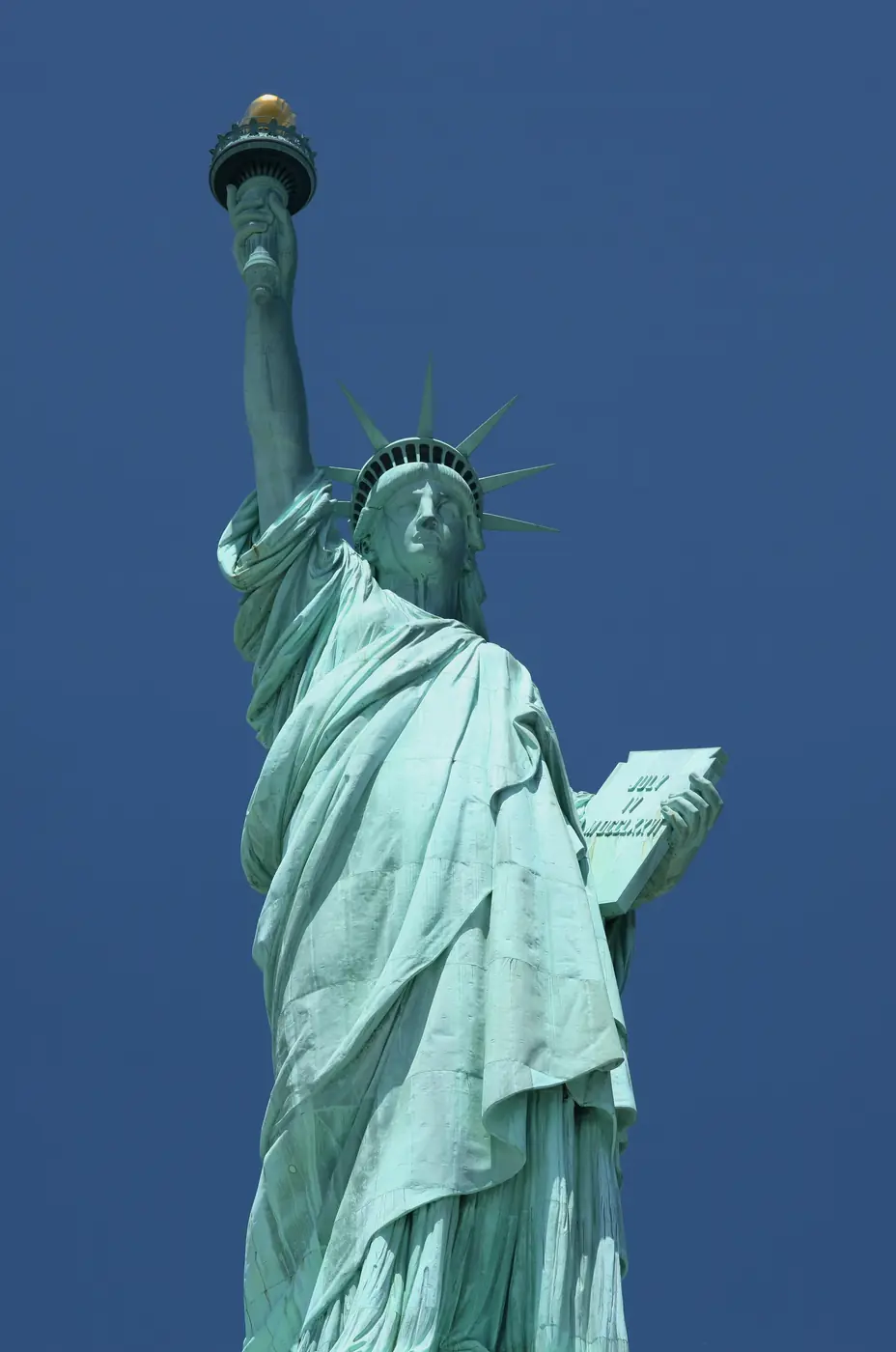
Link answers to images: the Capitol for Congress, the White House for the President, the Statue of Liberty for New York Harbor. Visual links make recall faster.
7. Practice with a partner
Ask someone to read questions to you in random order. This is the closest thing to the real interview.
8. Mix English and civics
Many civics words appear on the English vocabulary lists. After learning a civics topic, read and write a related sentence. See the USCIS vocabulary list.
9. Take full mock tests
In your final week, take a full-length mock test every day. Our free practice test follows the real rules and stops at the passing score, like the officer.
10. Sleep and rest
Memory is consolidated during sleep. A good night’s rest helps more than late-night cramming, especially before the interview.
Start with the easiest questions
A great way to begin when you study for the citizenship test is with short, easy questions that build confidence. These are the official 2025 Symbols and Holidays questions, with accepted answers:
- What is the capital of the United States? Washington, D.C.
- Where is the Statue of Liberty? New York (Harbor); Liberty Island [Also acceptable are New Jersey, near New York City, and on the Hudson (River).]
- Why does the flag have 13 stripes? (Because there were) 13 original colonies; (Because the stripes) represent the original colonies
- Why does the flag have 50 stars? (Because there is) one star for each state; (Because) each star represents a state; and other answers
- What is the name of the national anthem? The Star-Spangled Banner
- The Nation’s first motto was “E Pluribus Unum.” What does that mean? Out of many, one; We all become one
- What is Independence Day? A holiday to celebrate U.S. independence (from Britain); The country’s birthday
- Name three national U.S. holidays. New Year’s Day; Martin Luther King, Jr. Day; and other answers
- What is Memorial Day? A holiday to honor soldiers who died in military service
- What is Veterans Day? A holiday to honor people in the (U.S.) military; A holiday to honor people who have served (in the U.S. military)
Once these feel easy, move on to the principles of government. These 15 questions explain the ideas behind the whole test, so they are the natural next step when you study for the citizenship test:
- What is the form of government of the United States? Republic; Constitution-based federal republic; and other answers
- What is the supreme law of the land? (U.S.) Constitution
- Name one thing the U.S. Constitution does. Forms the government; Defines powers of government; and other answers
- The U.S. Constitution starts with the words “We the People.” What does “We the People” mean? Self-government; Popular sovereignty; and other answers
- How are changes made to the U.S. Constitution? Amendments; The amendment process
- What does the Bill of Rights protect? (The basic) rights of Americans; (The basic) rights of people living in the United States
- How many amendments does the U.S. Constitution have? Twenty-seven (27)
- Why is the Declaration of Independence important? It says America is free from British control.; It says all people are created equal.; and other answers
- What founding document said the American colonies were free from Britain? Declaration of Independence
- Name two important ideas from the Declaration of Independence and the U.S. Constitution. Equality; Liberty; and other answers
- The words “Life, Liberty, and the pursuit of Happiness” are in what founding document? Declaration of Independence
- What is the economic system of the United States? Capitalism; Free market economy
- What is the rule of law? Everyone must follow the law.; Leaders must obey the law.; and other answers
- Many documents influenced the U.S. Constitution. Name one. Declaration of Independence; Articles of Confederation; and other answers
- There are three branches of government. Why? So one part does not become too powerful; Checks and balances; and other answers
A sample study week
| Day | Civics | English |
|---|---|---|
| Monday | Learn 6 new questions; review last week | Read 3 questions aloud |
| Tuesday | Learn 6 new; review Monday | Write 3 sentences from dictation |
| Wednesday | Learn 6 new; review Monday and Tuesday | Read 3, write 3 |
| Thursday | Learn 6 new; topic quiz | Practice 5 N-400 answers aloud |
| Friday | Learn 6 new; review the week | Read 3, write 3 |
| Saturday | Mock test with a partner | Spelling check of tricky words |
| Sunday | Rest or light review of mistakes | Rest |
How to make effective flashcards
- Write one question per card, with the answer on the back.
- For “name two” questions, write three answers on the back.
- Add a small picture or keyword to help you remember.
- Sort cards into three piles: know it, almost, and do not know it. Study the last pile most.
- Carry ten cards with you each day and review them during short breaks.
Paper flashcards are one of the oldest and best ways to study for the citizenship test. Our online flashcards can also read each question aloud.
Memory tricks that work
- Number ladder: House 2 years, President 4 years, Senate 6 years, Supreme Court for life.
- “RAPPS”: the First Amendment freedoms: Religion, Assembly, Press, Petition, Speech.
- Two dates: 1776 declared independence; 1787 wrote the Constitution. Declaration first, Constitution second.
- Stripes and stars: 13 stripes for the original colonies, 50 stars for today’s states.
- Three buildings: the Capitol makes laws, the White House carries them out, the Supreme Court explains them.
Common mistakes when people study for the citizenship test
- Studying the wrong version: always check your N-400 received date first.
- Only rereading: it feels productive but is much weaker than testing yourself.
- Cramming: long sessions right before the interview fade quickly.
- Studying silently: the test is spoken; practice out loud.
- Ignoring English: reading and writing need daily practice too.
- Skipping the N-400: reread your application so you can answer questions about it.
See more in citizenship test mistakes.
Track your progress
Write down your quiz and mock test scores each day. Watching them rise is motivating and shows which topics need more time. Our practice test tracks how many questions you have mastered and which ones you still need to review. When you pass five full mock tests in a row, you are ready.
Do not forget the interview questions
When you study for the citizenship test, include the personal questions about your N-400. Reread your application, list your trips with dates, and practice answering out loud. Our guide to citizenship interview questions and our mock interview make this easy.
Study for the citizenship test with your phone
Your phone can turn waiting time into study time. Open our practice test in your browser to do a five-minute flashcard session on the bus or during a break. Set a daily reminder at the same time each day. Record yourself reading questions and answers, and listen to the recording while walking or cooking. Small moments add up when you study for the citizenship test every day.
Group study and classes
Many libraries, community centers, and nonprofit organizations offer free citizenship classes. Classes give you a schedule, a teacher who can explain difficult ideas, and classmates to practice speaking with. If no class is available, form a small group with friends or neighbors who are also applying. Take turns playing the officer. Studying with others makes it easier to stay consistent.
Staying motivated
Motivation often drops in the second or third week. Keep going by marking each study day on a calendar, sharing your goal with family, and rewarding yourself at the end of each week. Remind yourself why you want to become a citizen: to vote, to travel with a U.S. passport, and to secure your future. A clear reason makes it easier to study for the citizenship test even on busy days.
How to know you are ready
- You pass five full mock tests in a row with room to spare.
- You can answer “name two” and “name three” questions with extra answers.
- You know the current officials and your state’s answers.
- You can read and write the practice sentences with correct capitals and punctuation.
- You can answer questions about your N-400 calmly and consistently.
How long it takes to study for the citizenship test
How long you need depends on your English level, your background, and your test version. As a guide:
- Strong English, some civics background: two to four weeks.
- Intermediate English: four to six weeks.
- Beginner English: eight weeks or more, with an English class if possible.
- 65/20 applicants: two to three weeks for the 20 questions.
The earlier you start to study for the citizenship test, the less pressure you will feel. Many people begin the week they file, because interviews are sometimes scheduled sooner than expected.
What to study in the last three days
In the final days, stop learning new material and focus on confidence. Take one full mock test each day, review the questions you missed, check the current officials, and reread your N-400. The night before, do a light review and sleep early. This is the right way to study for the citizenship test at the end, and it keeps your mind clear for the interview.
A daily routine
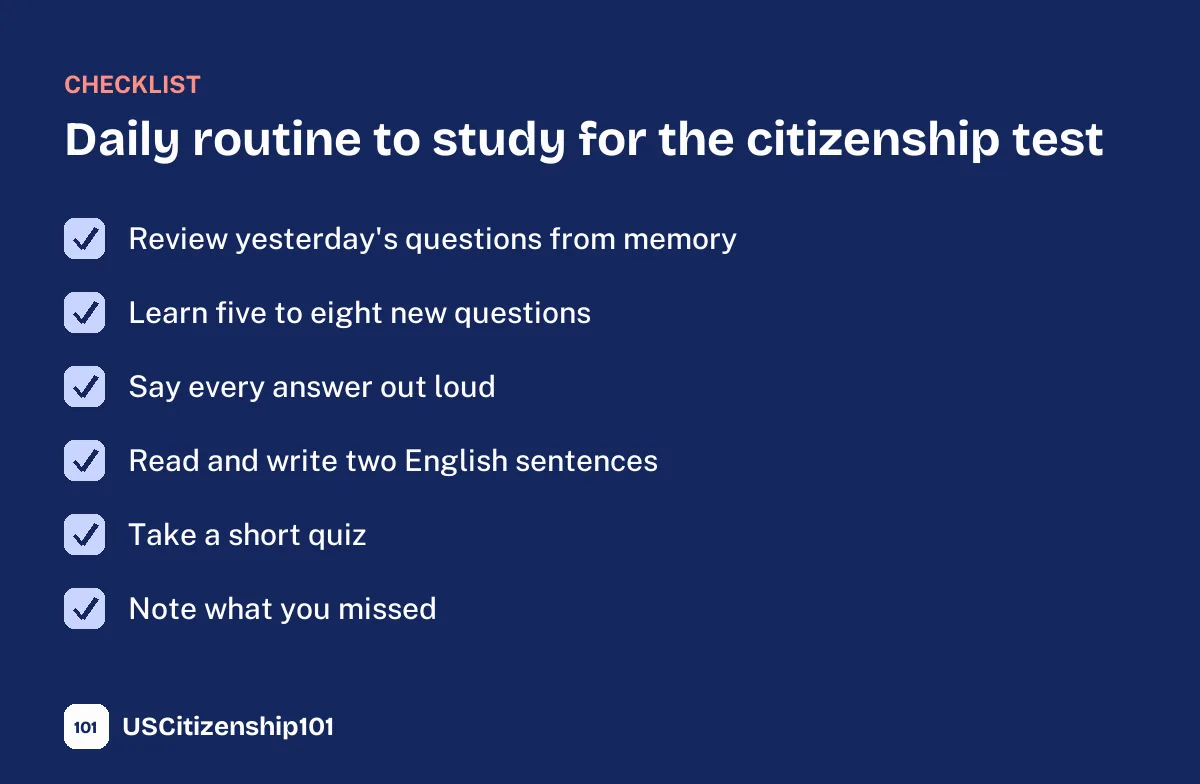
- Review (5 minutes): answer yesterday’s questions from memory.
- Learn (10 minutes): five to eight new questions, said aloud three times each.
- English (5 minutes): read two questions aloud and write two answers by hand.
- Quiz (5 minutes): a short topic quiz.
- Note (2 minutes): write down what you missed for tomorrow’s review.
For a complete day-by-day schedule, follow our civics test study plan.
Free tools to study for the citizenship test
- Our practice test: all questions for both versions, mock tests, flashcards, topic practice, and mistakes review.
- Our English practice: listen to sentences, type them, and get word-by-word feedback.
- Our mock interview: hear N-400 questions read aloud and compare with sample answers.
- USCIS study materials: official lists, flashcards, and audio on uscis.gov.
- Local libraries and adult schools: free citizenship classes in many communities.
If you are busy
If work and family leave little free time, split your session into two short blocks, such as ten minutes at breakfast and fifteen in the evening. Use audio flashcards during your commute, and ask your family to quiz you during dinner. Even small, regular sessions add up quickly when you study for the citizenship test every day.
If you are an older learner
Use large-print cards, study in the morning when you are fresh, and practice with family. Short sessions with frequent review work especially well, and there is no rush: steady progress is what counts. If you qualify for 65/20, focus on the 20 marked questions. See the citizenship test for seniors.
If English is new for you
Start with the vocabulary words and the easiest civics topics, like symbols and holidays. Learn the meaning in your language first, then the English answer. Consider a free English class alongside your citizenship study. See the citizenship English test.
Frequently asked questions
How long should I study for the citizenship test?
Most people need four to eight weeks to study for the citizenship test, at 20 to 30 minutes a day.
Is it better to study alone or in a class?
Both work. Classes give structure and speaking practice; self-study is flexible. Many people study for the citizenship test in a class once a week and practice on their own the other days.
What is the best time of day to study for the citizenship test?
Whenever you can be consistent. Many people find mornings best because they are fresh, but a regular evening session works just as well.
Can I study for the citizenship test in my own language first?
Yes. Understanding the meaning first in your own language makes the English answers easier to learn, unless you are taking the test in your language under an exception.
Should I use multiple choice practice?
Yes, at first, but move to answering without options, because the real test has none. The best way to study for the citizenship test is to finish with open-answer practice out loud.
Your study checklist
- I confirmed my test version.
- I study 20 to 30 minutes every day.
- I test myself instead of rereading.
- I practice every answer out loud.
- I practice reading and writing sentences.
- I reread my N-400.
Final thoughts
When you study for the citizenship test with active recall, spaced practice, and out-loud answers, you learn faster and remember longer. A few focused minutes every day, a set of official questions, and a week of mock tests at the end are all you need.
Sources: USCIS, Find Study Materials and Resources. Last reviewed September 2026.
Free tools
This article is for general education, not legal advice. Always confirm requirements at uscis.gov.